Course format
Syllabus
Written practice exams
Access
Audiobook length
Price
Pass Your ReB1 Exam — Study Anywhere With Australia's Audio-First BVLOS Theory Course
Beyond visual line-of-sight
ReB1
The complete RPAS BVLOS OCTA theory exam preparation system — audiobook, audio practice exams, and written practice exams — designed for remote pilots who study on the go.
For $197, you get around 8 hours of ReB1 theory audiobook, audio practice exams, and randomised written practice exams — everything you need to prepare for the BVLOS OCTA theory exam, in a format that fits your life.
Whether you're managing the full BVLOS approval process yourself or working with a consultant, the ReB1 exam is a step you'll need to complete. This course is here to help you pass it.
For $197, you get around 8 hours of ReB1 theory audiobook, audio practice exams, and randomised written practice exams — everything you need to prepare for the BVLOS OCTA theory exam, in a format that fits your life.
Whether you're managing the full BVLOS approval process yourself or working with a consultant, the ReB1 exam is a step you'll need to complete. This course is here to help you pass it.
Studying for your BVLOS theory exam shouldn't mean choosing between running operations, building hours, and sitting at a desk with a textbook. This course delivers the full ReB1 theory syllabus as a professional audiobook — around 8 hours of content — so you can study while you commute, exercise, walk the dog, or do anything else that leaves your ears free.
But we didn't stop at audio. This is a complete exam preparation system — audiobook theory, guided audio practice exams, and randomised written practice exams — all in one place, all built around the RPAS BVLOS OCTA Aeronautical Knowledge Standards.
CASA allows candidates to self-study for the ReB1 — no formal training course is required. This course gives you everything you need to prepare independently, at a fraction of the cost of traditional instructor-led training. The ReB1 covers a wide range of aeronautical knowledge — from GNSS navigation and RPAS systems to meteorology, Class G airspace procedures, and deconfliction from crewed aircraft. With roughly one in six candidates failing, and pass rates trending downward each year, preparation matters. This course is designed to make sure you walk into that exam room ready.
But we didn't stop at audio. This is a complete exam preparation system — audiobook theory, guided audio practice exams, and randomised written practice exams — all in one place, all built around the RPAS BVLOS OCTA Aeronautical Knowledge Standards.
CASA allows candidates to self-study for the ReB1 — no formal training course is required. This course gives you everything you need to prepare independently, at a fraction of the cost of traditional instructor-led training. The ReB1 covers a wide range of aeronautical knowledge — from GNSS navigation and RPAS systems to meteorology, Class G airspace procedures, and deconfliction from crewed aircraft. With roughly one in six candidates failing, and pass rates trending downward each year, preparation matters. This course is designed to make sure you walk into that exam room ready.
The Reality of ReB1 Theory Study
You're running RPAS operations, building your business, maybe managing a team — and somehow you also need to master GNSS navigation, airspace deconfliction, instrument approach chart interpretation, aviation meteorology, and Class G airspace procedures well enough to pass a 90-minute CASA exam.
Here's something many people don't realise: there is no requirement to complete a formal training course before sitting the ReB1. Like other CASA theory exams, you can self-study and sit the exam when you're ready. CASA publishes the Aeronautical Knowledge Standards and Standards Guide so that candidates can prepare independently.
That said, the ReB1 covers a broad syllabus that goes well beyond your RePL training, drawing from concepts in crewed aviation that many remote pilots haven't encountered before. The pass rate has been trending downward — from 88% in 2023 to around 83% in 2025 — as more candidates sit the exam without adequate preparation. Having good study resources matters.
We built this course to give self-study candidates a comprehensive, structured way to prepare on their own schedule, in a format that fits around the demands of running an RPAS operation.
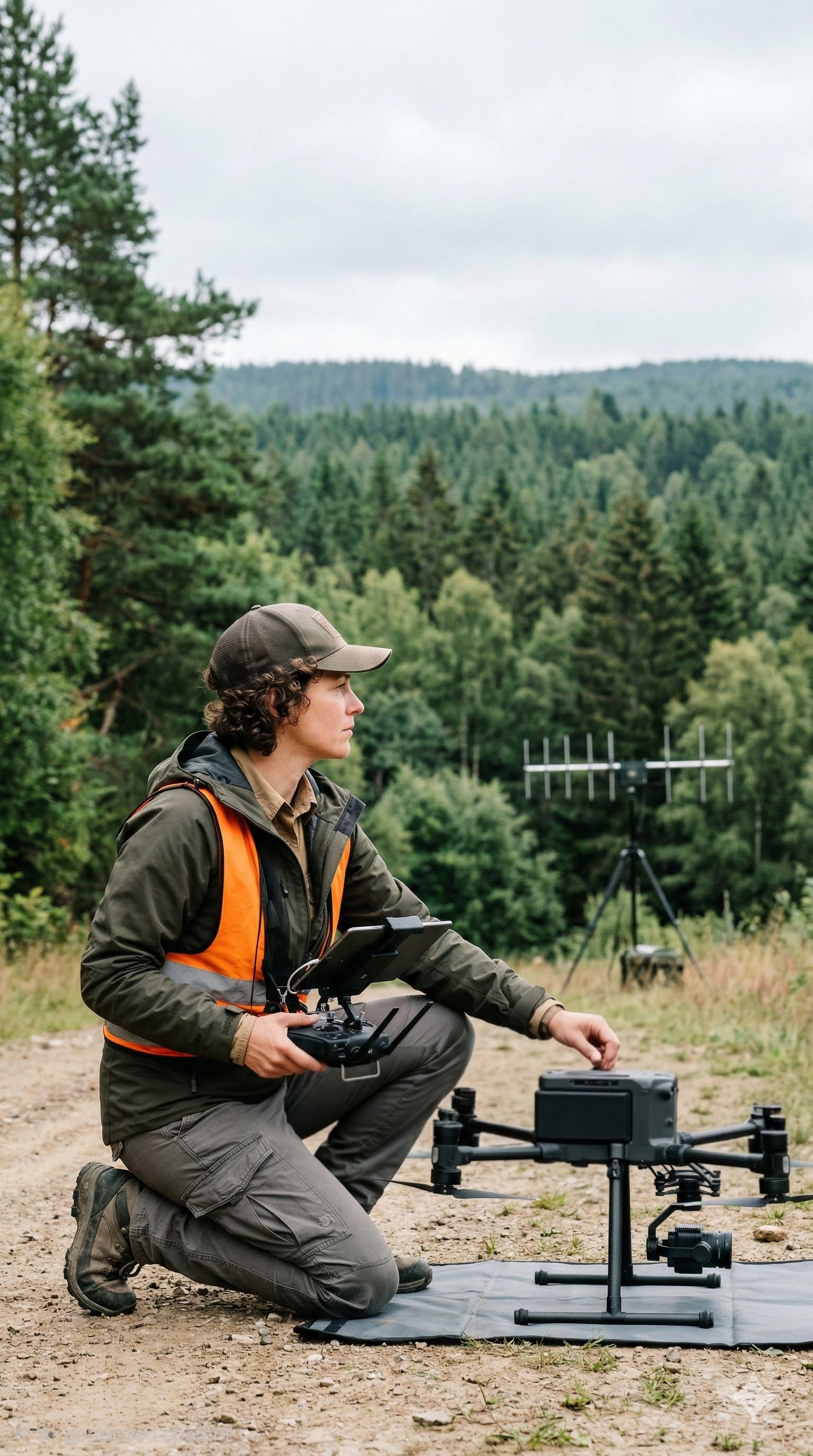
The Full BVLOS Pathway — Where the ReB1 Fits
Where This Course Fits
What About the CASA Application?
The Bottom Line
What's included?
Course Structure
Frequently Asked Questions
Stay Current
Thank you!
Copyright © 2026 Pilot Audio Pty Ltd
Created with